

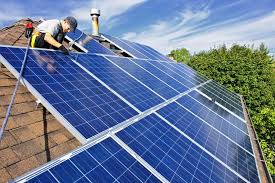
5 Critical Factors to Consider Before Installing Solar Panels
Installing solar panels is a smart step toward reducing electricity bills and embracing clean energy. However, going solar is a long-term investment, and making the right decisions before installation is crucial. Understanding a few key factors can help you avoid common mistakes and maximize the benefits of your solar power system.
Here are five critical factors you should consider before installing solar panels.
1. Your Electricity Consumption
The first and most important factor is understanding how much electricity you consume. Your past electricity bills will help determine the right system size for your home or business.
A system that’s too small won’t cover your energy needs, while an oversized system may lead to unnecessary costs or unused capacity. An accurate assessment ensures you get optimal savings and a faster return on investment.
2. Roof Condition and Available Space
Your roof plays a major role in solar installation. Before installing panels, consider:
- Roof age and structural strength
- Available shadow-free area
- Roof orientation and tilt
South-facing roofs generally produce the most energy, but east- and west-facing roofs can also work efficiently. If your roof needs repairs, it’s best to fix them before installation to avoid extra costs later.
3. Local Solar Policies and Net Metering
Government regulations, subsidies, and net metering policies vary by location. Net metering allows you to export excess electricity to the grid and earn credits, significantly improving solar savings.
Before installing solar panels, check:
- Eligibility for net metering
- State or DISCOM-specific rules
- Available subsidies or tax benefits
Understanding these policies helps you plan your system correctly and avoid future compliance issues.
4. Quality of Components and Installer
Not all solar panels and inverters are the same. The quality of components directly affects system performance, safety, and lifespan.
Choose:
- Tier-1 solar panels with good efficiency
- Reliable inverters with proper warranties
- An experienced, certified solar installer
A trustworthy installer ensures proper design, installation, and after-sales support.
5. Budget, Payback Period, and Maintenance
While solar panels reduce long-term electricity costs, there is an upfront investment involved. Consider:
- Total installation cost
- Expected monthly savings
- Payback period (typically 3–6 years)
- Ongoing maintenance requirements
Most solar systems require minimal maintenance, but factoring it in helps you plan better and avoid surprises.
Final Thoughts
Installing solar panels is more than just placing panels on a roof—it’s about making informed decisions that ensure long-term benefits. By evaluating your energy usage, roof suitability, local policies, component quality, and financial planning, you can confidently move forward with a solar system that delivers maximum value.
Ready to Transform Your Solar Business?
Create professional solar proposals in minutes with Sunkode
Get Started Free